Introduction
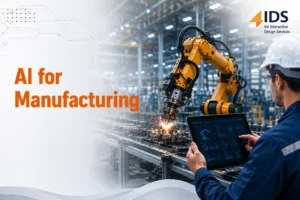
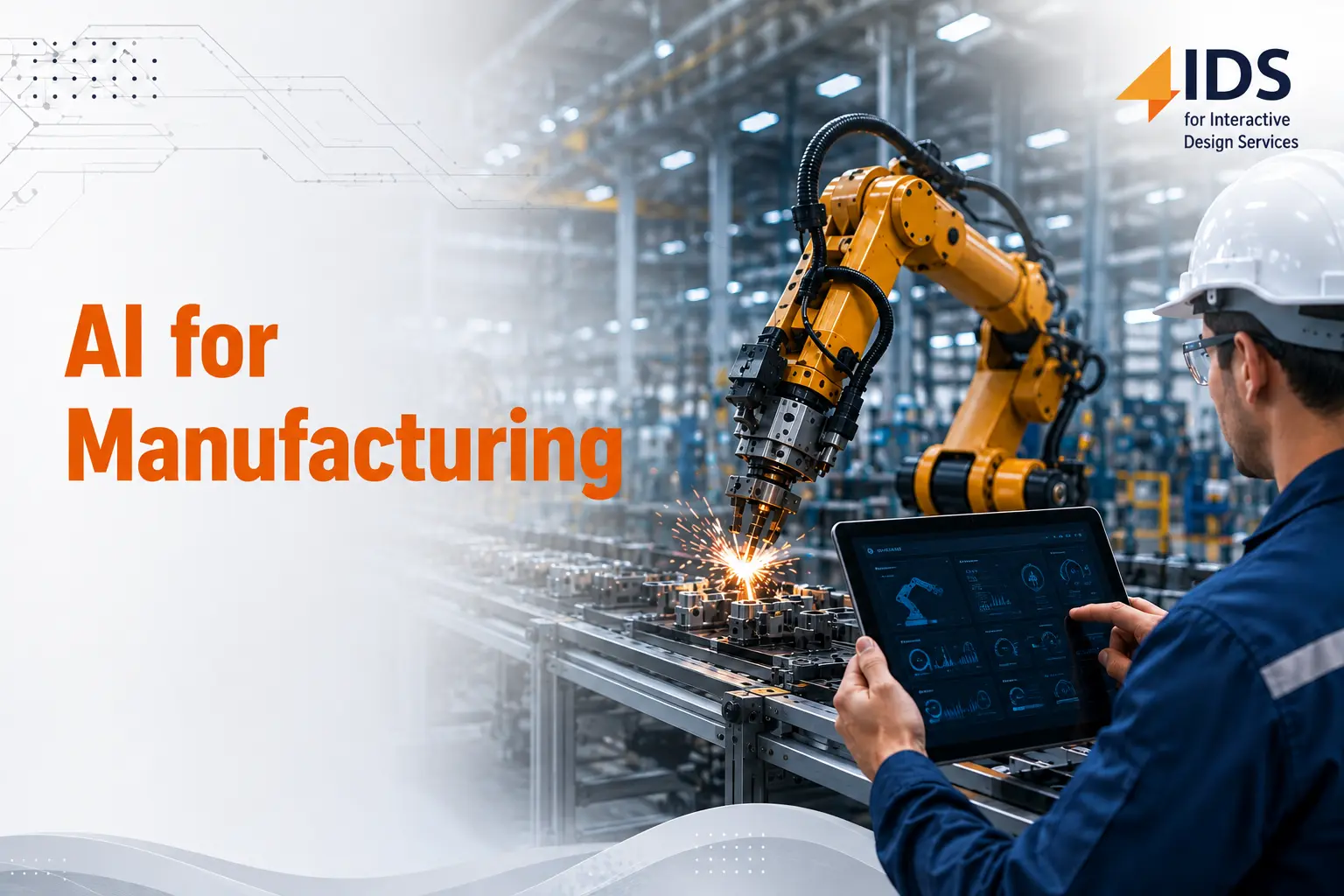
AI-powered Manufacturing is transforming modern factories by combining artificial intelligence, automation, and real-time analytics. AI-powered Manufacturing enables manufacturers to improve production efficiency, reduce downtime, optimize quality control, and make faster operational decisions using intelligent technologies.
Why AI for Manufacturing Matters
Manufacturers face increasing demands for higher productivity, lower costs, and improved product quality.
AI for Manufacturing helps businesses by:
- Automating repetitive production tasks
- Improving product quality
- Reducing machine downtime
- Optimizing production planning
- Enhancing worker safety
- Lowering operational costs
- Increasing production efficiency
- Supporting Industry 4.0 initiatives
These advantages help organizations remain competitive in today’s industrial landscape.
Key Features of AI Manufacturing Solutions
Modern AI platforms offer a wide range of intelligent capabilities.
Key features include:
- Predictive maintenance
- Machine vision inspection
- Production optimization
- Intelligent robotics
- Real-time analytics
- Industrial IoT integration
- Quality control automation
- Digital Twin technology
- Energy optimization
- Automated reporting
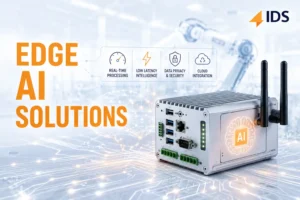
- Edge AI deployment
- Cloud connectivity
These technologies improve operational efficiency while reducing manual intervention.
AI Applications in Manufacturing
Artificial intelligence supports multiple manufacturing operations, including:
- Defect detection
- Machine health monitoring
- Demand forecasting
- Inventory optimization
- Process automation
- Production scheduling
- Safety monitoring
- Equipment performance analysis
Organizations benefit from faster production cycles and higher product consistency.
Integration with Smart Factory Technologies
AI integrates seamlessly with modern industrial systems.
Supported technologies include:
- PLC Controllers
- SCADA Systems
- Industrial IoT Platforms
- MES Software
- ERP Systems
- Robotic Automation
- Digital Twin Platforms
- Cloud Dashboards
Together, these technologies create connected and intelligent manufacturing environments.
Industries Using AI in Manufacturing
AI solutions are widely used across numerous industries:
- Automotive
- Electronics
- Food & Beverage
- Pharmaceuticals
- Oil & Gas
- Chemical Processing
- Textile Manufacturing
- Packaging
- Renewable Energy
- Logistics
Every industry benefits from improved efficiency, reduced waste, and higher production quality.
Why Choose 4IDS?
At 4IDS, we develop intelligent AI solutions tailored for industrial automation and smart manufacturing.
Our expertise includes:
- AI for Manufacturing
- Machine Vision AI
- Edge AI Solutions
- SCADA Development
- Industrial IoT Platforms
- Predictive Maintenance AI
- Digital Twin Development
- PLC Automation
- Website Development
- SEO Services
We help organizations modernize operations with scalable and future-ready AI technologies.
Frequently Asked Questions
What is AI for Manufacturing?
AI for Manufacturing uses artificial intelligence to automate industrial processes, analyze production data, and improve manufacturing efficiency.
How does AI improve manufacturing?
AI increases productivity, predicts equipment failures, automates inspections, optimizes production, and reduces operational costs.
Can AI integrate with existing factory systems?
Yes. AI solutions integrate with PLCs, SCADA systems, Industrial IoT devices, ERP software, MES platforms, and cloud services.
Which industries benefit from AI?
Manufacturing, automotive, pharmaceuticals, electronics, logistics, food processing, and energy industries widely use AI technologies.
Conclusion
AI for Manufacturing is transforming factories into intelligent production environments through automation, predictive analytics, and real-time decision-making. Businesses adopting AI can improve quality, reduce downtime, optimize resources, and remain competitive in a rapidly evolving industrial market.
At 4IDS, we build advanced AI solutions that enable manufacturers to embrace digital transformation and achieve long-term operational excellence.