Introduction
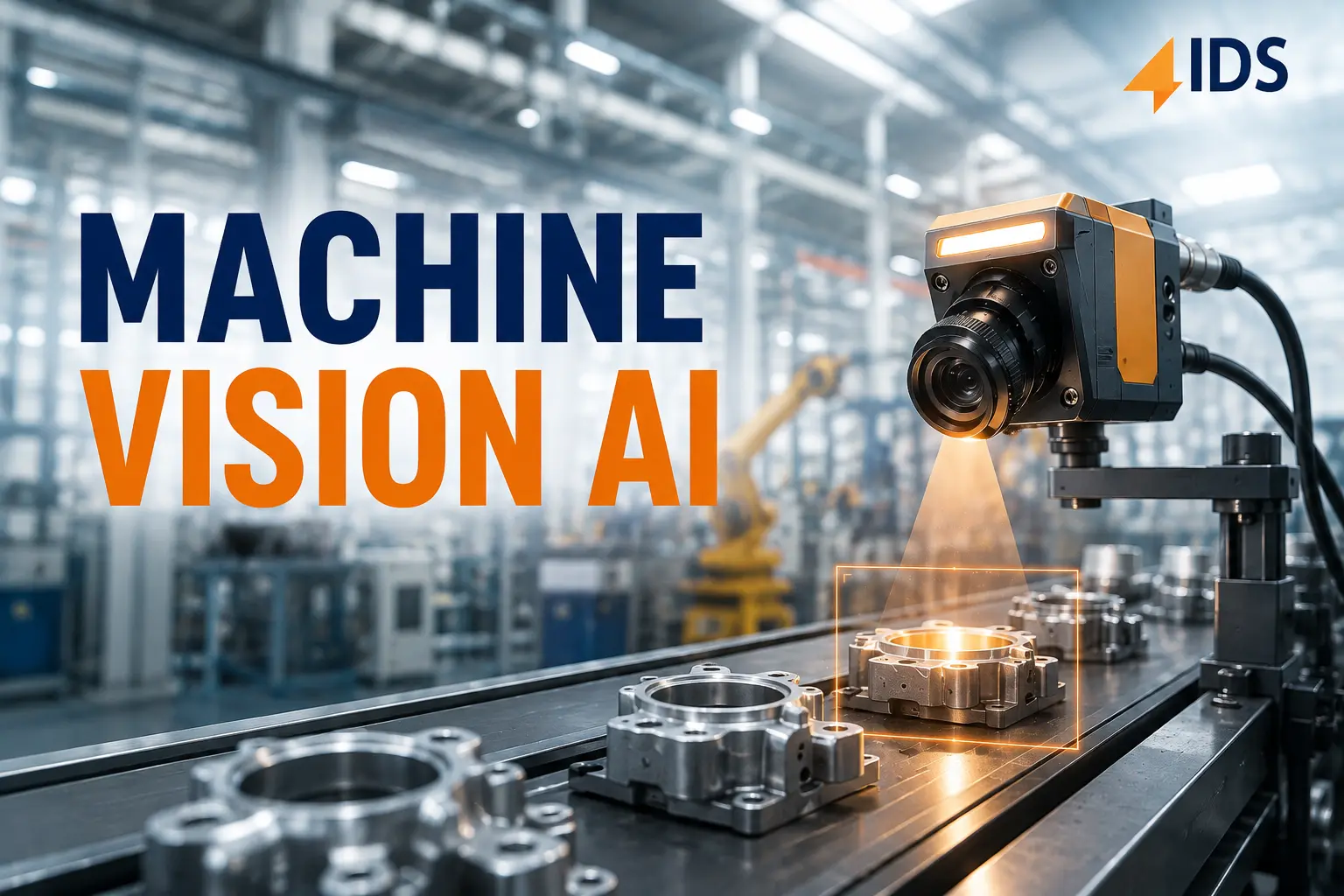
AI-powered vision systems are transforming industrial manufacturing by combining artificial intelligence, computer vision, and automated inspection technologies. AI-powered vision systems help manufacturers detect defects, improve quality, reduce production errors, and increase operational efficiency through real-time visual analysis.
Why Machine Vision AI Matters
Manufacturers need fast, accurate, and reliable inspection systems to maintain product quality.
A Machine Vision AI solution helps businesses:
- Detect product defects automatically
- Improve production quality
- Reduce human inspection errors
- Increase production speed
- Minimize waste and rework
- Lower operational costs
- Improve workplace safety
- Support Industry 4.0 initiatives
These benefits enable manufacturers to deliver consistent, high-quality products while optimizing production.
Machine Vision AI Features
Modern Machine Vision AI solutions include:
- AI-powered image recognition
- Real-time defect detection
- High-speed visual inspection
- Deep learning algorithms
- Object classification
- Barcode and QR code reading
- OCR (Optical Character Recognition)
- Pattern recognition
- Edge AI processing
- Industrial camera integration
- PLC and SCADA connectivity
- Dashboard reporting
These features provide accurate inspection results with minimal manual intervention.
Real-Time Quality Inspection
Machine Vision AI continuously analyzes production lines using advanced cameras and AI models.
The system can:
- Identify surface defects
- Detect missing components
- Measure dimensions accurately
- Verify product assembly
- Inspect packaging quality
- Monitor production consistency
Real-time inspections help manufacturers identify issues before defective products reach customers.
AI and Industrial Automation Integration
Machine Vision AI integrates seamlessly with modern industrial systems, including:
- PLC Controllers
- SCADA Systems
- Industrial IoT Platforms
- Robotic Arms
- Conveyor Systems
- MES Software
- ERP Platforms
- Cloud Analytics Solutions
This integration creates intelligent manufacturing environments that improve productivity and support data-driven decisions.
Industries Using Machine Vision AI
Machine Vision AI is widely adopted across many industries, including:
- Automotive Manufacturing
- Electronics Assembly
- Food and Beverage Processing
- Pharmaceuticals
- Packaging
- Textile Manufacturing
- Semiconductor Production
- Medical Device Manufacturing
- Logistics and Warehousing
- Consumer Goods
Each industry benefits from faster inspections, improved accuracy, and reduced operational costs.
Why Choose 4IDS?
At 4IDS, we develop intelligent industrial AI solutions that combine computer vision, automation, and advanced analytics to improve manufacturing performance.
Our expertise includes:
- Machine Vision AI
- Industrial AI Development
- SCADA Development
- PLC Programming
- Industrial IoT Platforms
- Digital Twin Development
- Predictive Maintenance AI
- Embedded AI Solutions
- Website Development
- SEO Services
Our customized solutions help businesses automate quality inspection and achieve higher production efficiency.
Frequently Asked Questions
What is Machine Vision AI?
Machine Vision AI uses artificial intelligence, industrial cameras, and computer vision to inspect products, detect defects, and automate quality control processes.
How does Machine Vision AI improve manufacturing?
It reduces manual inspections, increases inspection speed, improves accuracy, and minimizes defective products.
Can Machine Vision AI integrate with existing production lines?
Yes. It integrates with PLCs, SCADA systems, industrial robots, conveyor systems, IoT devices, and cloud platforms.
Is Machine Vision AI suitable for small manufacturers?
Yes. Scalable solutions are available for small, medium, and large manufacturing businesses.
Conclusion
AI-powered vision systems help manufacturers improve product quality, reduce inspection time, and automate visual quality control. At 4IDS, we build intelligent computer vision solutions that support Industry 4.0 and smart manufacturing.